Saturday, March 19, 2016

Writing a Romance Novel

There's a lot of confusion out there about romance novels. It's easy to see why. Your book might have two people who fall in love, and that might be the main focus of the story, and yet it still might not fall into the romance novel category. Then throw chick lit and women's fiction into the mix, and your head might spin wondering what you've actually written.

Let's start by talking about what a romance novel isn't. It isn't about two people happily falling in love. I'm going to say it again, a different way, because it's so important. Romance novels are not about happy couples falling in love. Romance novels are all about the tension, and leaving the reader wondering if they will end up together at the end. Every romance novel has something pulling the characters away from each other. If your book doesn't have this up until the end, your book is not a romance novel.

So, what is a romance novel then? Here are the things a romance novel must have in order to be in the romance genre.

1. Emotional Conflict -- This is paramount in a romance novel. There needs to be some kind of emotional conflict in the story that keeps the reader turning the page. This emotional conflict must not be resolved until the end of the book. This is what drives your plot forward and creates the need for your reader to finish the book.

2. Emotional Intimacy -- Your characters must spend time together during the course of the story, and this must lead to emotional intimacy. They must open up to each other. Share personal things with each other. As they spend time with each other they become more emotionally intimate. The ultimate payoff for a romance of course is when the highest emotional intimacy is acknowledged and the couple confess their love. Since this is the payoff, it must happen at the end of the book.

3. Physical Intimacy -- This does not necessarily mean sex, although many romance novels have sex. Since I write clean romance, my books do not. I must find a different way to show the physical intimacy. It could be as simple as running a finger down the side of a face, or a touch of a hand. A well written kiss is a wonderful way to show physical intimacy. But always keep in mind the emotional conflict that is pulling the two apart. As they become physically intimate, the emotional conflict will increase as well. If this is not happening, and all you have are happy characters, the genre changes and you're writing yourself out of the romance genre.

4. Attraction and Repelling -- Your main characters must feel the draw toward each other, while simultaneously feeling that a relationship can't possibly work between them. This is the emotional conflict at work, while the emotional and physical intimacy pulls them together.

5. The Climax -- Your climax of your story needs to be about the relationship. If the climax of the story isn't about the relationship, you have put a different aspect of the story ahead of the romance and that takes away from the most important thing about a romance novel. The relationship.

6. Happily Ever After -- Yes, all romance novels have a happily ever after. Your characters must end up together at the end. This doesn't necessarily mean married, but the relationship must feel final. If you are writing a romance series, you must focus on a different couple in the second book. If you are still working on the relationship of the couple in book 1, you are probably writing women's fiction or chick lit. And if one of the main characters die, you are writing in the love story genre and not the romance genre. (Think Nicholas Sparks.)

Some people think that romance novels follow a formula. This is not the case. There simply needs to be these elements in the story in order for the book to be called a romance. It has more to do with reader expectations than it does with a formula for writing romance.

Romance novels use romance to create suspense. "Working with suspense is a bit like mimicking the rise and fall of the sea. First you rev your reader's interest to a high pitch, then you drop back without completely satisfying her and then you do it again. You work incrementally, getting a little closer to fulfillment--for your characters and your reader--with every scene, but you always stop short of giving them everything they want.

"In a romance novel, the reader's main interest is in the relationship's progress, so your most effective strategy for building suspense is through that relationship." -- Writing a Romance Novel for Dummies

Romances can vary in setting, and cover a wide variety of sub-genres including romantic suspense, historical romance, paranormal romance, and romantic comedy to name a few.

If, after reading this, you're still not sure if you've written a romance novel, write a comment below describing your book and I'll be happy to give you my opinion. :)

Victorine


Saturday, December 28, 2013

Most Self-Published Books Don't Sell

I've heard, many times, people say things like: "Most self-published books only sell a handful, to family and friends." Or: "Don't spend money on editing and cover art, you'll never sell enough to re-coup the costs."

This kind of talk rubs me the wrong way. I don't know why. I guess because I know so many authors selling really well on Amazon. I mean, REALLY well.

Let's take a look at some numbers.

Here's a current rough estimate of how many books you sell a day to get a certain rank on Amazon.

1 day/ rank 175,625
5 day/ rank 28,711
10 day/ rank 13,161
15 day/ rank 8,340
25 day/ rank 4,693
50 day/ rank 2,151
100 day/ rank 986
200 day/rank 452
300 day/ rank 287
400 day/ rank 207
500 day/ rank 161
1000 day/ rank 74
2000 day/ rank 34
3000 day/ rank 21

(Data gathered from here. From what authors are reporting, this gets you in the ballpark.)

Looking at that chart, that means if a self-published book has a rank of 13,161 or better, that book is selling 10 or more copies a day.

If that book is priced at $2.99, that's earning the author $600 (or more) each month.

Even if that book is priced at $.99, that's still earning $105 (or more) each month.

But if the rank is in the top 1,000, that means the author is selling in the 100 copies a day range. Wow. That's $1,000 a month for a 99 cent book, or $6,000 a month for a $2.99 book. That's some serious cash! You can't tell me those authors are only selling to family and friends. These are authors selling tons of books and earning real money.

Even at just 10 copies a day, that's selling 300 books a month. 3,600 books a year. You can't tell me those are only to family and friends. These are real authors selling real books to real customers.

Now, how many self-published books are actually selling? WAY more than those nay-sayers are leading you to believe. Here are links to books that are currently ranked better than 13,161 in the Amazon store.

This list is in no particular order, and of course the figures listed here will be outdated an hour after I type it, but I wanted to document the books and their current rankings as of the time of this post.

1. Reapers by Edward W. Robertson - Rank 1,576 - $2.99

2. The Breakers Series by Edward W. Robertson - Rank 257 - $.99

3. The Cutting Room by Edward W. Robertson - Rank 2,814 - $.99

4. Whiskey Sour by Liliana Hart - Rank 2,004 - $4.99

5. Whiskey for Breakfast by Liliana Hart - Rank 2,020 - $4.99

6. A Dirty Shame by Liliana Hart - Rank 582 - $4.99

7. Dirty Rotten Scoundrel by Liliana Hart - Rank 665 - $4.99

8. Shadows and Silk by Liliana Hart - Rank 1,608 - $4.99

9. Secrets and Satin by Liliana Hart - Rank 2,364 - $4.99

10. Sins and Scarlet Lace by Liliana Hart - Rank 765 - $.99

11. Sizzle by Liliana Hart - Rank 616 - $4.99

12. Kill Shot by Liliana Hart - Rank 3,112 - $4.99

13. Wool Omnibus by Hugh Howey - Rank 285 - $5.99

14. The Italian Billionaires Twin Pack by Jennifer Blake - Rank 3,375 - $2.99

15. The Seasons Series by Denise Domning - Rank 4,478 - $2.99

16. Shoot to Kill (a boxed set with four indie authors) - Rank 457 - $.99

17. Magic, Myth and Majesty (a boxed set with seven indie authors) - Rank 2,763 - $.99

18. Pirate Hearts (boxed set with three indie authors) - Rank 1,868 - $.99

19. A Highlander for Christmas by Christina Skye and Debbie Mocomber - Rank 3,355 - $2.99

20. Somebody Tell Aunt Tillie She's Dead by Christiana Miller - Rank 4,585 - $3.99

21. Operation Breakout by Mark E. Cooper - Rank 5,007 - $4.99

22. King of Swords by Russel Blake - Rank 6,177 - $3.97

23. Jet by Russel Blake - Rank 1,858 - $2.99

24. Z-Risen by Timothy W. Long - Rank 3,716 - $3.99

25. Just Good Friends by Rosalind James - Rank 5,842 - $3.99

26. Just For Now by Rosalind James - Rank 1,094 - $.99

27. Circle of Thieves by C. Greenwood - Rank 2,940 - $2.99

28. The Godling Chronicles by Brian D. Anderson - Rank 8,910 - $2.99

29. Breaking Free by Theresa Reasor - Rank 4,260 - $2.99

30. SEAL the Deal by Sharon Hamilton - Rank 3,935 - $4.99

31. Westin's Chase by Cristin Harber - Rank 1,550 - $3.99

32. Secrets Collide by Kathleen Brooks - Rank 1,072 - $3.99

33. When Love Intrudes by Christi Snow - Rank 3,654 - $2.99

34. Cold Day in Hell by Jerrie Alexander - Rank 6,509 - $2.99

35. Ashes by Kelly Cozy - Rank 2,593 - $.99

36. With Werewolves Trilogy by K Matthew - Rank 4,059 - $.99

37. Power Revealed by Leah Berry - Rank 5,964 - $2.99

38. Random Acts of Crazy by Julia Kent - Rank 2,923 - $3.99

39. For Love or Legacy by Ruth Cardello - Rank 1,379 - $.99

40. Omega Rising by Joshua Dalzelle - Rank 5,263 - $.99

41. Omega Force by Joshua Dalzelle - Rank 8,168 - $2.99

42. Busted by Jean-Luc Cheri - Rank 3,276 - $.99

43. The Sitter Gets Fired by Jean-Luc Cheri - Rank 4,956 - $.99

44. A Special Favor by Jean-Luc Cheri - Rank 7,511 - $.99

45. The Perseid Collapse by Steven Konkoly - Rank 4,891 - $4.99

46. Mud and Gold by Shayne Parkinson - Rank 2,083 - $2.99

47. Settling the Account by Shayne Parkinson - Rank 2,565 - $2.99

48. A Second Chance by Shayne Parkinson - Rank 3,115 - $2.99

49. Peaches Monroe Trilogy by Mimi Strong - Rank 631 - $7.55

50. Another Chance by Ariadne Wayne - Rank 1,848 - $2.99

51. A Modern Witch by Debora Geary - Rank 622 - $3.99

52. Witches of Bourbon Street by Deanna Chase - Rank 2,524 - $3.99

53. Demons of Bourbon Street by Deanna Chase - Rank 4,644 - $3.99

54. Angels of Bourbon Street by Deanna Chase - Rank 3,410 - $3.99

55. Redeeming the Amazon by L.V. Lewis - Rank 7,696 - $1.49

56. Betrayal of Thieves by C. Greenwood - Rank 1,927 - $2.99

57. Magic After Dark (Boxed Set with six authors) - Rank 150 - $.99

58. Once in a Lifetime (Boxed Set with four authors) - Rank 344 - $.99

59. Moon's Flower by Marie Hall - Rank 6,829 - $2.99

60. A Crucible of Souls by Mitchell Hogan - Rank 5,098 - $7.99

61. Hot Property by Susanne O'Leary - Rank 1,134 - $2.99

62. King and Kingdom by Danielle Bourdon - Rank 1,797 - $3.99

63. Heir in Exile by Danielle Bourdon - Rank 2,150 - $3.99

64. The King Takes a Bride by Danielle Bourdon - Rank 2,654 - $3.99

65. The Wrath of the King by Danielle Bourdon - Rank 2,939 - $3.99

66. The Royal Elite by Danielle Bourdon - Rank 4,585 - $3.99

67. A March of Kings by Morgan Rice - Rank 468 - $2.99

68. A Grant of Arms by Morgan Rice - Rank 1,551 - $2.99

69. A Song of Swords by Michael Ploof - Rank 2,148 - $4.99

70. Fledgling by Nicole Conway - Rank 394 - $.99

71. Secret Girlfriend by Bria Quinlan - Rank 4,656 - $3.99

72. The Academy by C.L. Stone - Rank 729 - $3.99

73. Guardians by Lola StVil - Rank 4,583 - $4.99

74. A Thankful Love by K. Victoria Chase - Rank 9,371 - $2.99

75. Chocolate, Lies and Murder by Sibel Hodge - Rank 6,102 - $3.99

76. Fourteen Days Later by Sibel Hodge - Rank 9,799 - $.99

77. Trafficked by Sibel Hodge - Rank 5,192 - $2.99

78. Fashion, Lies and Murder by Sibel Hodge - Rank 1,405 - $.99

79. Money, Lies and Murder by Sibel Hodge - Rank 5,279 - $3.99

80. Voodoo, Lies and Murder by Sibel Hodge - Rank 6,851 - $3.99

81. Six Months in Montana by Pamela M. Kelley - Rank 5,629 - $2.99

82. Don't Look Back by Christine Kersey - Rank 3,610 - $3.99

83. Elei's Chronicles by Chrystalla Thoma - Rank 7,931 - $.99

84. After the Storm by Maggie Dana - Rank 11,307 - $2.99

85. Supernatural Six (boxed set with six authors) - Rank 329 - $.99

86. One More Day by M. Malone - Rank 3,804 - $2.99

87. The Things I Do For You by M. Malone - Rank 8,160 - $4.99

88. He's the Man by M. Malone - Rank 5,792 - $4.99

89. The Alexanders Boxed Set by M. Malone - Rank 1,614 - $.99

90. Destiny by P.T. Michelle - Rank 12,836 - $4.99

91. A Taste For Passion by Patrice Michelle - Rank 8,032 - $.99

92. Sacrificed in Shadow by S.M. Reine - Rank 5,597 - $3.99

93. Colt by Jude Hardin - Rank 3,717 - $2.99

94. Fatal Reaction by Belinda Frisch - Rank 8,658 - $2.99

95. Loving the Marquess by Suzanna Medeiros - Rank 8,547 - $3.99

96. Dimitri by Roxie Rivera - Rank 3,140 - $3.99

97. Yuri by Roxie Rivera - Rank 2,601 - $3.99

98. Nikolai by Roxie Rivera - Rank 2,208 - $3.99

99. Sergei by Roxie Rivera - Rank 2,050 - $3.99

100. A Very Russian Christmas by Roxie Rivera - Rank 1,521 - $.99

101. In Kelly's Corner by Roxie Rivera - Rank 6,046 - $3.99

102. Seduced by the Loan Shark by Roxie Rivera - Rank 7,475 - $.99

103. Just This Once by Rosalind James - Rank 1,568 - $.99

104. Just For Fun by Rosalind James - Rank 6,751 - $3.99

105. Just My Luck by Rosalind James - Rank 4,559 - $3.99

106. Welcome to Paradise by Rosalind James - Rank 4,484 - $3.99

107. Nothing Personal by Rosalind James - Rank 2,276 - $3.99

108. Lord Runthorne's Dilemma by Sarah-Jane Steele - Rank 8,368 - $.99

And, a bunch more here, with the top 100 Indie Books listed in the Amazon store.

I could go on and on, posting links, but I don't want to waste my time. My point is, self-published books DO sell. Lots and lots of them are selling.

This goes right along with what I've been saying all along. Customers don't care if a book is self-published or not. They just want to read a good book.

Friday, September 14, 2012

Author's Panel

I'm thrilled to announce I have been invited to sit on an author's panel at our local bookstore, Chapters Books & Gifts, on Sunday, September 23rd. The event is from 1:00 to 3:00pm. You can listen to the panel live at http://www.sewardchapters.com/.

The panel will address such issues as using social media to market, contracts with publishers, self publishing, ebook sales, and taxes.

The other members on the panel are: Connie Reimers-Hild, author, entrepreneur and educator with the UNL Kimmel Education and Research Center; Jim Hild, author and Facebook guru; James Reisdorff, South Platte Press; Dennis Kahl, Seward County Extension agent; Annette Snyder, author; Liz Flores and Kathy Prevo, educator with the Nebraska Department of Revenue.

Again, you can access this panel discussion live on the website: http://www.sewardchapters.com/.

See ya there!

Thursday, August 16, 2012

So You Got a One Star Review...

Yes, it is the bane of an author's existence. The dreaded one star review. Someone didn't like your book. How can that be? You worked so many hours on that book your buns became molded to the shape of your chair. You wrote, and re-wrote, and slaved away for months...maybe even years.

And someone just left you a bad review! Unthinkable!

But wait, before you go into a tirade and tear up all your unfinished manuscripts, vowing to never again throw your pearls out into the public for desecration...take a deep breath. Don't do anything rash. And whatever you do, don't go post about it on your favorite online forum. Those threads usually end up with some well-intentioned writers saying horrible things about the reviewer. (Remember, these reviewers use the Internet too. The last thing you want is a mob of angry readers targeting you because you started a reviewer bashing thread.)

Every author will need to deal with a one star review sooner or later. That's just part of this whole writing gig. And I admit, it stinks. Some reviews make you feel like giving up, or question your ability to write. Some might even make you feel depressed.

Never fear, I've got the perfect thing to make you feel better. When you've gotten that horrible, terrible review saying your characters are cardboard and your writing is worse than a first grader's, come on over here and read these:

"I thought that this book was totally dumb from beginning to end. It had absolutely no plot whatsoever." - One star review left on Carrie, by Stephen King

"This book is the worst book ever. The only reason a person should read this book is if they are forced to or they like to hear about thieves." - One star review left on Oliver Twist, by Charles Dickens

"that book is the most boring i have ever read in my life. i regret that i read it and i suggest everybody not reading it. reading that book is absolutely waste of time !!!" - One star review left on Harry Potter and the Sorcerer's Stone, by JK Rowling

"The story read like all the sentaces has been thrown it a blender and then reassembled into a book." - One star review left on Alice's Adventures in Wonderland, by Lewis Carroll

"...I generally try to find something redeeming about books, but I honestly have nothing good to say about this drivel. Meyer writes as if the reader is an absolute idiot who has to be told every sing tiny little thing; we are never given the chance to interpret what's going on in the characters' heads. There is no mystery, no intrigue, no suspense. The characters themselves are cut-and-dried, stereotypical, and maddeningly unoriginal." One star review left on Twilight, by Stephenie Meyer

 ""The Adventures of Huckleberry Finn" is a tedious, exasperating, and mind-numbing story. This is my first Mark Twain book, and it's surely to be my last, as I was sorely disappointed. While the grammar and dialect are supposed to be written realistically, I found it cumbersome. The adventures changed constantly, and if Twain had written with one adventure in mind, then my attention span would not have diminished. When Tom Sawyer entered the book permanently, I became irritated, because when he arrived, the story became prolonged and trivial. I feel I wasted my time reading this book. I do not recommend." One star review left on The Adventures of Huckleberry Finn, by Mark Twain

"I agree with the other negative reviewers. There is nothing remotely satisfying about any of these books. Not only is the premise of the first book rather disgusting, the second two are just horrible. I had to force myself to finish the third one. I'm posting this here in the first book to save readers some valuable time!" One star review left on The Hunger Games, by Suzanne Collins

"A beautifully illustrated book based on poor scientific knowledge. Butterflies do not come from cocoons - moths do. When butterfly caterpillars pupate, they do not spin silk to make a cocoon. If you want your child to learn inaccurate science, use this book with them." One star review left on The Very Hungry Caterpillar, by Eric Carle

One last note. I'm not delighting in the bad reviews left on other books. It just helps to know that even the best books get bad reviews. Don't give up writing. Bad reviews happen. Even to the best of them.

Tuesday, December 6, 2011

I've published...now what?

So you've worked and slaved, polished up your book until it sparkles, hired an editor and cover artist, and now it's finally published. Whew! That's a euphoric feeling, isn't it?

Hmm. What do you do now? Maybe you've announced your book on Facebook and Twitter. You might have even joined a forum or two and announced it there. I'm guessing your close friends and family might have even bought a copy. And now you find yourself strumming your fingers on the table.

Don't worry. I've made a list of things to do now. (And combined it with things NOT to do.)

1. I'm going to assume you did your homework and hired a reputable editor. You probably got sample edits from several sources, looked at the different editing styles, and chose your favorite. You maybe even hired a proofreader to catch any stray errors after you're done making the final edits. Good. Please make sure you did this before doing anything else, or you could end up embarrassed. If you've published prematurely, don't worry, just hire an editor now and upload a new file once it's edited.

2. Now you're ready to submit your book to book reviewers. (I also call them book bloggers.) Don't go submitting without doing your homework. Make sure they take self-published books and review your genre. Read their guidelines and respect them. Don't send them an ebook if they only take paper copies. You may also want to read some of their reviews to see if you think they would mesh well with your book. You can find book reviewers with google searches, or on Twitter. It may be helpful to find another self-published book that is similar to yours and search for book bloggers who have reviewed that book. Here's a couple of websites that list reviewers who accept indie books to get you started: http://indiebookreviewer.wordpress.com/ and http://www.theindieview.com

3. It takes a while for book bloggers to get to your book. Don't pester them. Some might never get around to reviewing your book. Accept that and send out a lot of books so you have a better chance at getting some reviews.

4. If a book blogger gives you a bad review, do not respond. I know your fingers will itch to post on their blog telling them they don't know what they're doing. Resist the urge. Even if they said your book was riddled with typos, and you paid several hundred dollars to have it edited. Don't respond. Even if they said, "I hated the zombies" and there are no zombies in your book. Go take a walk. Breathe in and out. Do NOT respond to any negative reviews. Ever. It just makes you look bad, no matter what you do. And don't respond in private either. The only correct response for a review, good or bad, is to thank the reviewer. You'll be shocked to hear it, but I know reviewers who have had threatening emails after posting a bad review. Never never never do this. A bad review isn't the end of your book. If you get a bad review, the best thing to do is look up your favorite book on Amazon and read all of the one star reviews. It will make you feel a lot better.

5. Okay, now that you've sent off your book to some book reviewers and prepared yourself to react in a super awesome way no matter what kind of reviews you get, it's time to build yourself a fan base. Giveaways are a great way to do this. You can give away books on a Facebook page that you've created for yourself, or on your blog. Attracting readers to these things can be hard, but don't despair. This is where the next step comes in.

6. Join some forums or social networks and socialize. The socialize part is the most important part of this. It's easy to join social networks. Twitter, Facebook, Kindleboards, Goodreads...these are great social networks. The hard part is the socializing part. Do not join these places and send out messages about why people should buy your book. That is called Spam and it doesn't work. You'll only annoy people. What you'll want to do is join in the conversations. There are some great people on Twitter. Follow some people. Watch their tweets. If they don't talk to people, they're probably not worth your time to follow. Try to follow some real people. When they post something interesting, respond with something equally interesting. Try to strike up some conversations of your own by posting witty comments. Be yourself. You'll make friends. Once you've made friends, you can invite them to your giveaways. You'd go participate in a giveaway from a friend, but you probably wouldn't care if it were someone you didn't know.

7. Don't spam, but don't be shy about the fact you're an author either. When you sign up for social networks, make sure to put in information about your book. On facebook, you can use your book cover as your avatar if you want. On Kindleboards, they allow you to put your book cover in your signature line. On Twitter, put that you're an author in your bio, and mention the title of your book. And of course you're using your author's name everywhere you sign up, right? (Whatever you're using on your book covers.) You want to get your name out there. If someone gets to know 'writerchick' on Twitter, they might want to check out her book. But they can't remember her name. It's important to get your name out there.

8. Network with other authors. This is important. If you log in each day and check out the Writer's Cafe on Kindleboards, you will find opportunities to advertise. I recently started up a website called Addicted to eBooks.com. I announced it on Kindleboards and invited authors to post their books. If you check the new posts each day, you'll find lots of great opportunities to share your book with others. Be sure to post regularly too, so authors will get to know you. You might be invited to do an interview or participate in something else.

9. Do unto others as you would have them do to you. Don't be so focused on yourself that you forget to help others. If you see a new author asking what you might think is a silly question, answer it. Be kind. If another author has a book that looks like it would be good, buy it and read it. If you liked it, post about it on the social networks. Tell others why you liked the book. Wouldn't you want someone else to do that for you, if they read and liked your book? If you have a blog, maybe you want to interview other authors. If you see an opportunity to help someone, do it. You would like the same thing done for you. And I always believe that what goes around comes around.

10. Be professional. Like it or not, if you've published a book you are now in the public eye. Be careful what you post on the internet. Treat others with respect. It's okay to joke around, but never do it at the expense of others. If someone on the internet makes you angry, don't react right away. Cool off and come back with a level head. Never participate in flame wars. And most of the time it's better not to say anything than get involved in an online argument.

11. Be ethical. Don't go ask your friends to post good reviews of your book, or worse, post fake reviews using sock puppet accounts. It doesn't make you look good to have reviews like that.

12. And finally, watch and learn. Keep an eye on the successful indies, and watch what they are doing. Read their posts on their blogs and on the forums. See what kinds of decisions they make, and which ones work for them and which ones don't. Many of us try a lot of things. Some of them work and some of them don't. Before you make a decision about something, look to see how successful it is. Pay attention to the trends. What worked last year might not work today. And if you see someone giving out advice, click to see what rank their book is. Sure, it might save you money to do your cover art yourself or not hire an editor, but if you see the person giving out that advice has their book ranked #250,000 on Amazon and has several one star reviews, maybe that's not the best advice to take.

Saturday, August 13, 2011

The Secret to My Success

Since my book made the New York Times best seller list, I've had a lot of people prodding me to tell them the secret. How can they have success with their own book? Which, of course, made me ponder. What is the secret? Here's what I came up with.

First of all, in order to have a best seller you have to write a best seller. Duh, you say. That's a given. But it's amazing how many people come to me and ask me for help to create the same phenomenon with their own book, when they've written one titled "The Joy of Raising Naked Mole Rats." Sure, there's probably a small market for that, but it's never going to become a best seller. (Sorry if I sound harsh.) If you've written for a niche market, that's fine, but don't feel bad when sales are slow.

If your book is not aimed at a niche market, you're already a step ahead. However, to become a best seller, your book needs to appeal to the masses. There's a reason why books that don't have a clear genre have a hard time finding an agent or publisher. That's because in order to appeal to the masses your book needs to be well defined. That's not to say that a contemporary-western-mystery-romance-fantasy can't sell. There are people out there willing to give cross genre books a chance. But it won't appeal to the masses unless it's got a clear genre.

To write a best seller you also have to craft a good story. To do this you have to get outside opinion on your work. If you've skipped this step, remedy it right away. Join a critique group. Trade chocolate for beta reading. If all you get is praise from your outside opinion givers, it's time to seek other opinions. You need some people who are going to tear your story apart and make it better. The best critics are other writers who have been down the road a few times, have had success finding an audience and who preferably write in your own genre. And don't try to edit your own book. You'll miss stuff.

The next thing on my list is having an eye catching cover. Not only eye catching, but it needs to communicate the genre at a glance. If it's a romance, don't put an apple and a pencil on the cover, even if your main character is a teacher. Now, I'm not going to tell all authors they have to hire a cover designer. Why? Because I've seen some great covers created by the authors themselves. And I'd be a hypocrite because I designed my own covers. I will stress how important it is to get outside opinion on your cover. Again, seek opinions from other authors who have been down the road a few times and have found success in your genre. (Kindleboards.com is a great place to find such people.)

If you try and can't create a good looking cover, don't settle. Pay a professional. Sure, it can be expensive. So can replacing your stove when it breaks. But who eats raw chicken each night because they can't afford a new stove? Not you I hope. You scrape together the money. Don't expect people to buy your book if the cover doesn't look professional. You're offering them raw chicken. Not a lot of people are going to bite. Scrape together the money and pay for a professional looking cover.

The last thing I think needs to be done to have a best seller is to make people aware of your book. I did giveaways, joined forums, posted on facebook, tweeted, blogged, and paid for a couple of ads. But what really helped spread the word was lowering my price to 99 cents. I had already created a buzz about my book before I lowered the price. After lowering it other people started announcing the price change. Blogs that feature low cost books announced the price change. This got me an initial flood of sales. Then Amazon's algorithms kicked in and they started marketing for me. My low price made it an impulse buy. If you don't want to price at 99 cents you can still become a best seller, you'll just need to work more on the marketing to make people aware of your book. Come up with some creative things to do.

And don't expect your book to become a best seller overnight. It takes time. Most people I know who have sold thousands of books have had a slow build. The ones that didn't had means to spread the word to a lot of people right away.

Finally I'd like to say I'm not advocating changing the way you write just to become a best seller. If you're passionate about writing contemporary-western-mystery-romance-fantasy novels, by all means keep writing them. If you write an engaging story, it will find an audience.

Vicki

Tuesday, July 26, 2011

Agents Becoming Epublishers

This has probably been beaten to death by everyone around me, so I hesitated to post this, but I feel like I need to get this out. So here it is.

I don't think it's a conflict of interest for an agent to epublish their clients. There. I said it. (Please don't hit me with rotten tomatoes.) I'd like to address some of the arguments I'm seeing.

Agents should be representing the author. If they're publishing the author, who is representing them? - Okay, first of all, the reason we all want to get an agent is because the large publishing houses won't look at your book if you don't have an agent. They're the go-between. They get to read all the slush, find the books they like, and submit them to the large publishing houses. If you don't care about being published in a large house, you can probably submit your book to some smaller publishers all on your own. In fact, I know quite a few authors who have been published without an agent. I don't see anyone up in arms over what the small publishers are doing. They are doing something for the author that they don't want to do for themselves, and that is set up their own publishing company.

That's right, authors. You can set up your own print publishing company and do it all yourself. It's much easier now than it was 30 years ago. But how many authors want to go through that work and expense? A lot of them don't. So they sign with a small press, without an agent, and the press does the work. And guess what, the small press takes a cut of the profit.

But what if an agent selfishly tells you to publish with them instead of someone else? What if there's a deal on the table and they don't even tell you about it? - If you believe your agent is honest and trustworthy, why would starting up an epublishing company change that? And if you don't believe your agent is honest and trustworthy, why did you sign with them in the first place? To me, this comes down to checking with places like preditors and editors to make sure you're signing with someone reputable.

But agents know nothing about publishing. - Bull. How in the world can someone work as a literary agent and not know anything about publishing? Admit it, agents know something about publishing. Do they know everything? Of course not. But I don't know a single indie author who went into self-publishing knowing everything. There is a learning curve, and we're all on it. In fact, I'd guess that the average agent is better equipped to self-publish than most of the indie authors out there were before they took the plunge.

But the authors can do this themselves, for a lot less than 15% over the life of the book! - Sure, an author can self-publish an ebook, just like we've established that an author can start up their own publishing company and publish paper copies. I know some authors who have done this. However, not every author wants to. It's a lot of work, time and money. Well, guess what. It's a lot of work to self-publish an ebook too. Less work than starting up your own paper publishing company, less money, and less time, but still it's not something all authors want to do. In fact I'd venture a guess that some authors don't even have the internet on their computer. Heck, some of them might not even have a computer.

What happens when problems arise? What if your agent isn't being honest with you? - What happens when problems arise with a small publisher? What if they're not being honest with you? What happens when an author has a problem with their agent that isn't epublishing related? Come on, folks. This isn't new. There are problems and issues with all aspects of publishing. This is no different. Be smart. Don't sign anything that you don't understand. If there's a conflict that cannot be resolved with discussions, go get an attorney.

What is an agent going to do for you that you can't do for yourself? - Okay, we know authors can self-publish. We know they can pay for a cover, pay for editing, and pay for formatting. We know they can pay for ads and build a website and market themselves. If an author wants to do all that, they're free to! But some authors don't. And I suspect that having an agent's marketing muscle behind a book would not be a bad thing.

Here's what it all boils down to. If an agent epublishes and the books skyrocket to the top of the charts, I suspect there will be some shifting of opinion on this matter. What indie wouldn't want their book in the top 100 on all the major ebook outlets? If all of the books languish at the bottom of the pool, it's possible some of the authors will be motivated to learn how to self-publish their next book in the hopes of being able to do something different and make that big splash.

In the end, we're all trying to find our way in this new world of publishing. This is my opinion on the matter. Now, don't throw those tomatoes too hard at me, I have sensitive skin.

Vicki

Monday, June 20, 2011

How do I know my book isn't junk?

I've heard it said many times. Self-published books are not worth anything. They're badly written, poorly formatted and not edited.

But we know that's a generalization that doesn't hold up for every self-published book. Especially now that authors are taking this epublishing thing very seriously. I know I've read some amazing indie published work.

So, how do you know if your novel is ready for self-publication? If you don't submit to an agent, and get a publisher's stamp of approval, how do you know it's not a big steamy pile of cow manure?

Let's face it. There's no sure-fire way to know your book will sell a zillion copies. But there are some steps you can take to make sure you're not putting out shoddy work.

1. Read some how-to books on novel writing.

I know what you're thinking. Why should I read about novel writing? Wouldn't I learn more by just doing it?

Sure, you do learn by writing. But you also need guidance. I suggest you read at least one book on the art of writing a novel. I think Stephen King's book, On Writing, is one of the best. Even if you don't like to read his horror novels, his writing memoir is fantastic. The Elements of Style by Strunk and White is also highly recommended.

2. Join a critique group.

No matter how many how-to books you read, you're still going to need other eyes on your work. (And even though your mom is great, she doesn't count.) You need to join a critique group to rip that novel of yours up, chapter by chapter. You also need to critique other work. You'll see things in other work that you don't see in your own writing. This will help you as well. Critiquecircle.com is my favorite online critique group.

I've heard a lot of authors say that they don't want to join a critique group because they are afraid of criticism from other authors. Believe me, hearing your novel stinks in private from another author is much better than hearing your novel stinks through public reviews posted for the world to read. If you're going to be a writer, you'll need to grow a thick skin. Better to do that before you publish.

I've also heard writers say they don't want to show their book to another writer because they don't want their million dollar idea stolen. Don't worry. Writers have enough million dollar ideas of their own. The last thing they want to do is write something someone else came up with. Writers are passionate about their own ideas. They're not going to steal yours.

3. Set it aside, and give it time.

You'll be surprised at how much you can see when you set that novel aside and come back to it later. Give it at least three weeks. Six is even better. If you can set it aside and come back to it with fresh eyes, you'll see ways to improve it that you didn't before.

4. Employ beta readers.

A beta reader is similar to a critique partner, but they read the entire novel, and their critiques aren't usually as in depth. This is best if you've already had the novel put through a critique group, and want to get a more over-all opinion of the book.

I highly suggest getting at least four beta readers who are other authors. I also use friends I know who like to read my work as beta readers, although the authors usually give me more feedback. It is good to get both perspectives, though, in my opinion.

5. Hire an editor.

If you have read how-to books, have put your book through the ringers of a critique group, set it aside, and then utilized beta readers, you should have a pretty good idea if your novel is ready to publish or not. If you feel it's ready, don't forget to hire an editor for that final polish. This is very important. Don't skip this step.

Now, if you have published a novel and you're wondering if it's a pile of junk, time to assess what steps you took before publishing. If you've skipped some of these important steps, there's nothing wrong with reworking the novel, especially if it's not selling or if it's getting bad reviews.

The best thing about indie publishing is the total control we have over what we put out there. Take the steps to make sure your novel is the best it can be.

Vicki

Wednesday, April 27, 2011

Press Releases

What is a press release? How does it help an author sell books? Is it worth the time and effort? These are questions every author should know the answers to, but I have found that many do not.

Before I go into what a press release is, it might help to start by saying what a press release isn't.

1. A press release is not a book advertisement. Do not write up your book blurb in the form of a press release in the hopes that you'll get a free ad in the newspaper or in online articles. These will be ignored.

2. A press release is not a book launch announcement. No one is going to care that another unknown person is launching a book. Sorry if that sounds harsh, but it is important to know that you can't write a press release about a book launch and expect it to get you sales. It won't.

3. A press release is not about writing what you want to say. Don't frame your press release with you in mind. You should be writing a press release with the reader in mind.

So, now you know what a press release is not. What is it, then? It is a communication to members of the news media for the purpose of announcing something newsworthy. There is one word in this definition that you should pay the most attention to, and that is newsworthy.

If you're going to write a press release, think of yourself as a news reporter. What story could you write that would be newsworthy? (And of course, how can you tie in your book or yourself to the article?)

With the explosion of ereaders, and ebook sales on the rise, now is the perfect time to write an article that would be relevant to the media today. Such stories could be: Local Author Joins the Ebook Revolution; Nebraska Author Makes a Living on Ebook Sales; or Ebook Sales on the Rise - Seward Author Profits. (You'll notice I focused on the local media. Unless you've accomplished something fantastic, the national news probably won't be interested.)

When writing a press release, focus on the newsworthy part of the story. Write it as though your article will be reprinted as-is. Many times, if you do write it well, the newspaper will run the copy just as you submit it. It saves them time in re-writing or editing your story. If they are limited on space, they might cut parts of the story.

Cater your press release to the entity in which you are sending it. Lets say you're sending out a press release to your local, college, and your hometown newspapers. Don't send the same press release to them all. Change the wording on the title and alter the story so they each have that personal connection to you.

You can send your press release to television stations as well as newspapers. Maybe your local station has a feature show about women who succeed, and you are a woman. You can cater your press release to fit that show, especially if you overcame a hardship in order to publish your book. (You were rejected by traditional publishers, for instance.)

Your press release should look professional. Here are some tips on writing the actual press release.

1. Type: FOR IMMEDIATE RELEASE at the top of your page. You can also put PRESS RELEASE at the top of the page if you'd like, but it's not necessary.

2. Date the press release.

3. Contact information. Include your phone number and email address so they can contact you if they want to do an interview.

4. Begin the press release with your headline. It should be brief, clear, and to the point. Make it something you would be interested in if you picked up a newspaper. Type the headline in bold or all caps.

5. Start the body of the press release with the city for which the press release is originated. The first paragraph should summarize what the press release is about. The rest should tell who, what, when, where and why. Add in quotes to personalize the story. If you're just starting out selling and don't have huge sales numbers to report, feel free to interview another author or two to get some sales numbers or quotes.

6. Use a basic font like Times New Roman.

7. End your press release with -30- or ###.  This tells them that is the end of the story.  If it continues onto a second page, use -More- at the end of the first page.  (This is not recommended, try to keep your press release to one page.)

8. If you used online sources for information, link to those at the bottom.

Okay, so now you know what to write and how to write it. Now you need to know who to send it out to. Here's a link to a website that might be helpful if you live in the US: http://www.easymedialist.com/

I suggest clicking on the top link, USA city and state local media lists, and then clicking on your state. You can pay to get the list of contacts, or you can just google each individual news outlet and dig up the contact information yourself. When looking on a website for where to send a press release, look for "Contact" or "Newsroom."

One last thing, sometimes newspapers will run your story without contacting you to tell you. Be sure to check to see if they ran your story.

Good luck with your press releases. Let me know if you got any coverage!

Tuesday, April 19, 2011

More About Marketing

It's no secret that the word 'marketing' scares people. I've heard quite a few people say that they're trying to get traditionally published because they don't want to do the marketing. (Let's forget for a second that if you are traditionally published, you still need to do some marketing.)

However, I can't get over the similarities between trying to get traditionally published, and trying to market an already self-published book. Let's take a peek at it, and compare.

1. Research. When you're looking for an agent, the first thing you need to do is research, and most likely you'll do this online these days. You visit websites that list reputable agents, and go to their individual websites to make sure you're conforming to their submission guidelines. When you're marketing your self-published book, you start with research also. You visit blogs that review books and figure out their submission guidelines. You research forums that readers hang out in, and research what is appropriate and what isn't for posting about your book.

2. Submitting. Next comes submitting to agents. Again, most of this is done online now, through email, although some agents still only take paper queries. Submitting query letters takes a lot of time and effort, and you have to be organized or you'll waste your time. Same with submitting to book review sites. Many of them now take electronic books through email. Some still only take paper. Submitting for review takes time and effort, and you do need to be organized as well. You can also submit your book to blogs that feature low cost ebooks or indie authors.

3. Waiting. After you send off your query letters, you wait to see what responses you get. In fact, you probably have to wait months. Same thing happens after you send your book off to review blogs, you have to wait for reviews to be posted. But you can continue to be social on blogs and forums to get the word out about your book.

4. End results: The end result to querying agents, if you're good enough, is getting published.  The end result to marketing your self-published book is book sales.  Both avenues bring in money.  (How much?  I won't argue that, there are large numbers in traditional publishing as well as indie publishing, just like there are small numbers in both avenues.)  However, if you're saying you don't want to self-publish because you can't spend the time to market your book, you're basically going to be doing the same thing as you query agents.

Sunday, April 3, 2011

Professionalism

Social networking is a reality for authors these days.  If you want to get the word out about your book, you have to join some social networks and start talking with people.  Facebook, Twitter, blogs and forums are pretty necessary for new authors.  But remember, you're not only selling books, you're selling yourself.  It's easy to forget this as we try to get noticed amongst the noise, but being professional is key in getting sales.

One of the big things I see that authors do to 'turn people off' is to spam everyone.  There is a time and a place for talking about your book.  The trick is to do your research first, and figure out where the places are that you can post ads about your book without coming off as a Sir Spam-a-Lot.

When someone mentions a forum they've successfully used to sell their book, don't rush in and post all kinds of messages about your book.  Each forum has its own rules about this.  Take some time to read all of the posted rules, and also read the forum messages to learn some of the 'unspoken' rules.  For instance, on the Amazon Kindle forum, the stated rule is to not post any messages about a product you're selling, but there are some threads created specifically for posting about your kindle book.  If you spend some time on the forum, you'll get to know what is socially acceptable there as far as self-promotion.  You'll also get to see what happens to authors that overstep their bounds.

In some places you'll find there are no written 'rules' about posting ads.  You'll have to either ask the people in the group or use common sense.  For instance, on the Facebook Kindle page the people there will tell you that it is perfectly fine to post a message about your book as long as you're not doing it too often.  I think once a week is fine.  Any more than that and you run the risk of annoying the people there.  And common sense should tell you that if you only show up once a week to post an 'ad,' you'll probably be ignored.  Try posting other messages, really talking to people, or answering some questions.  Then when you do post about your book you will get a much better response.

On Twitter, I have seen authors whose entire Twitter feed is posting ads for their books.  (I've seen this on Facebook too.)  Honestly, this is not going to get you anywhere.  Sure, you can post every once in a while about your book, that's fine.  But who is going to listen to you when all you do is shout an ad every hour?  Turn it around and look at it from a different perspective.  Imagine you're in a room full of people.  As you near someone he starts giving you a sales pitch about his merchandise he's selling.  He doesn't greet you, he doesn't ask your name, he just continues trying to sell you something.  Later on you meet someone else.  She says hello to you and asks you how you're doing.  You strike up a conversation, and find out you have a lot in common.  Who are you going to want to hang around with?

Social networks are like a large social gathering.  Don't be that guy that just goes around trying to sell something to people.  Be the kind of person you would want to hang out with, and you'll find yourself in a much better situation.

Okay, enough talk about ads.  Now you know how not to be that annoying Sir Spam-a-Lot.  That's good.  But if you're not talking about your book... what are you supposed to talk about?  The answer is simple.  Talk about whatever everyone else wants to talk about.  Be polite.  Let everyone get to know your personality.

Sometimes on forums you will see a post that might get under your skin.  Whatever you do, don't post a snarky response.  On the internet you can't hear someone's inflection.  Read over your posts to make sure you aren't coming across as rude.  Use a smiley face if you want to tell people you're not being snarky.  Don't participate in flame wars.  And if someone really makes you upset, step away from the computer.  Don't post a response when you're emotionally involved, you'll regret it later.

Remember, the internet is massive.  Not only could your post be read by potential readers, it could be read by agents, editors, publishers, or your mother.  Before you click that 'send' button, read over your post to make sure it wouldn't potentially offend anyone.  Think about how professional you sound.  Are you portraying yourself in a good light?  Do you come across as a know-it-all?  Could anyone take your post in the wrong way?

If you're new to a forum, make sure you're not jumping in and asking questions that have already been asked a million times.  Most forums have a search option.  Go ahead and do some searching to see if your question can be answered by checking old threads.

And of course, do not respond to bad reviews.  That goes without saying, right?

Vicki

Saturday, March 26, 2011

Reasons Why You Should Not Self-Publish

These are the reasons why I've heard you should not self-publish. (And my answers to them.)

Reason: You'll publish crap. You'll get a reputation for bad writing and no one will buy your books.

Answer: Don't publish crap. Seriously, it's that easy. You have total control over this aspect.

Reason: But writers are too close to their work to realize they can't write worth a darn. It takes years of submitting and getting rejection letters to figure out you need to improve. 

Answer: Don't use agents and publishers as your sounding board. Join a critique group. Get specific advice from veteran writers. Critique others, you'll see what isn't working in other work more easily than your own.  Pick up some books on the craft of writing fiction, and study them. Take the time to do it right. There's nothing magical about getting rejection letters that makes you a better writer. That's just silly.

Reason: Self-published books are riddled with typos and errors.  Do you really want to be lumped in with those?

Answer: Don't publish a book that is riddled with typos and errors. If your book is clean, no one will lump it in with the ones full of errors. Hire an editor. Utilize beta readers. Get as many eyes on the book as you can before you click to publish. And if (heaven forbid) you find an error after you publish, fix it and upload the file again.

Reason: You'll never sell any books, and you'll die in obscurity.

Answer: Why would you not sell any books? If you really believe your book isn't good enough to sell, you probably shouldn't self-publish, or even query agents. There are plenty of other authors selling well on the Kindle/Nook. You literally have millions of potential customers who can purchase your book with one click. And as more ereaders sell, the potential audience increases.

Reason: But ebooks are only 8%* of the market. (*Or substitute whatever % is currently being used.)

Answer: Which traditionally published author sells to 100% of the market? There are over 8 million Kindles out there, not to mention the Nook and all of the other ereaders, or the people reading ebooks on their phones and ipads. If you sold to 1% of just the Kindle owners, you'd sell 80,000 books. In fact, I just crossed that mark. Believe me, if that's all you ever sold, that will be more than a lot of traditionally published authors.

Reason: You won't earn enough to make a living.

Answer: Some indie authors are actually earning a living on their books.  Some are not.  The same can be said for traditionally published authors. I took an unscientific poll over on Kindleboards and asked how many indies were earning a living on their self-published works. 110 people took the pole. 19 of those people said they were earning a living. That's 17.3%. Here's what's even more encouraging. 12 more people said they were almost earning a living. That equals 28.2% who are either earning a living or almost earning a living. And on average ebook sales continue to grow. Plus writers usually are working on more novels to put up for sale.  These percentages will only get better as time goes on.

Reason: If you self-publish, you give up your first rights.

Answer: If you traditionally publish, you give up your first rights too. The question is, which way will actually bring in more money? At the end of this month, I'll have made over $30,000 on one 99 cent book. And that's not the end of the road. I can sell my book for years to come. Does giving up your first rights mean you won't ever be able to sell your book to a traditional publisher if that's what you want? No. Just look at DB Henson, Michael Sullivan, Boyd Morrison, and all the other authors who have sold their books after self-publishing.

Reason: If your book doesn't sell, you'll have ruined your chances for traditional publishing.

Answer: First off, why do you keep insisting the book won't sell? If it's not good enough to sell, go back to the beginning of this post and read about making your book better. If the book is good, I mean really good, but it's still not selling then get some advice about the cover/blurb/price. Does the cover fit the genre? Does it look like other covers from the traditional market? Does the blurb pull you in, and make you want to read more? Is the price too high? The best thing about self-publishing an ebook is you have total control over these things. And if all of these things are perfect, maybe you're not marketing the book in an effective way. How many book bloggers have reviewed the book? Have you done blog interviews? Are you active on social media websites? Even if your book languishes in a trickle of sales for months, that doesn't mean it has to stay that way forever. Just one person posting that they enjoyed your book on their blog could spur a floodgate of sales. And if you sell well, you could get a traditional publishing contract, like the authors mentioned above.

Reason: You'll spend money on hiring a cover artist and an editor that you won't ever make back.

Answer: Forever is a long time to sell something. If you spent $500 on cover art and an editor, you'll have to sell 1,429 books at 99 cents each to earn that money back. If you sell your book for a year, that equals roughly 4 sales a day. If you sell it for two years, that's only 2 sales a day. And most books are selling more and more each month. Honestly this one goes back to believing in the sales potential of your book again.

Reason: You'll never get the recognition that you deserve if you self-publish.

Answer: Do you want recognition or sales/income? (By the way, I'm not so sure that assumption is correct. I made the USA Today and the NYT's best seller lists with my self-published ebook. That was pretty good recognition for me. And I've seen other self-published books crop up on there too.)

Reason: There's no prestige with self-publishing.

Answer: There's no prestige with cleaning toilets either, but I did that for a while to pay the bills.

Reason: You never addressed the fact that if you jump the gun and publish crap you'll ruin your name.

Answer: Okay, I admit, some self-published books need work. However, most of them don't sell well. How does selling a few copies a month of your book ruin your name? No one knows who you are and no one knows you published a poorly written book. And if for some reason you sell four million copies of your utter garbage, and everyone knows you as a hack, you just became a millionaire. You can afford to take time off and learn to write better, and publish future books under a pen name.

After having said all that, I will add that I don't think traditional publishing is bad. There are great reasons why someone would go that route. If you have an offer from a publisher, you have choices and that's fantastic. The more choices you have the better off you are. But 99% of the writers out there won't have the choice to traditionally publish. Their choice is to query agents and publishers for years and gather up piles of rejections, or self-publish. (Or pay a lot of money to vanity publish, but we won't go into that today.) The hard truth is there are just too many good books out there to all find homes with agents and publishers. So I'm not against traditional publishing. I'm for taking your future into your own hands and making something of yourself.

Vicki

Friday, March 18, 2011

Sales Growth Over Time

I love crunching numbers.  So I decided to take some sales numbers of indie authors over time to see the growth.  I hope you find it as interesting as I did.  I won't comment too much more, I'll let the data speak for itself.  Just pay attention to the growth, and how most authors total sales are largely from the last few months they've been selling, especially as you get into the authors that have really started to sell well.  I'm especially encouraged by the authors who had months of small numbers and then suddenly took off.  This tells me that no book is without hope of selling.  If it's not moving, change the cover, play with the price, try different marketing ideas, join a critique group and make sure it's well written.  If your book isn't selling, there is something you can do about it, don't give up hope.

I'm going to list people in order of total sales, starting with the lowest first.  I hadn't asked anyone about marketing or anything else, but some people did give me comments, which I found interesting so I'll include that here.

*****


Annie Bellet
Jul - 3
Aug - 4
Sept - 3
Oct - 4
Nov - 2
Dec - 12
Jan - 17 (released another book in Jan)
Feb - 18 (released another book in Feb)

Total Sold: 60
Number of Books: 5
Genre: Literary (all short stories), Sci/fi (1 novelette, 1 short story collection), Fantasy (novel)
I don't really promote and I've just started getting actual novels up under the name that has some traditional publishing sales, so I figure it can only go up from here.

*****


K.A. Jordan
Aug  - 16
Sept - 5
Oct  - 4
Nov  - 1
Dec  - 4
Jan  - 16
Feb  - 15

Total Sold:  61
Number of Books: 1
Genre: Contemporary romance

*****


Tiffany Turner
Jan - 3
Feb - 2
Mar - 0
Apr - 3
May - 4  (2nd bk release on Kindle)
Jun - 8
Jul - 11
Aug - 7
Sep - 0
Oct - 0
Nov - 4
Dec - 9
Jan - 18
Feb - 6

Total Sold: 75
Number of Books: 2
Genre: Middle Grade

*****


Talia Jager
Jul - 4
Aug - 6
Sept - 6
Oct - 8
Nov - 3
Dec - 15
Jan - 17
Feb - 20  (released 2nd book)

Total Sold: 89
Number of Books: 2
Genre: YA - drama

*****


Matthew & Stefanie Verish
Jul - 23
Aug - 10
Sept - 2  (raised price)
Oct - 6  (lowered price)
Nov - 14
Dec - 9
Jan - 23  (Added novelette)
Feb - 34

Total Sold: 121
Number of Books: 2
Genre: Fantasy

*****


John Hamilton
Jun - 3
July - 7
Aug - 1
Sep - 2
Oct - 44
Nov - 8
Dec - 19
Jan - 57
Feb - 55

Total Sold: 141
Number of Books: 2
Genre: Horror, Historical Thriller

*****


Steve Silkin
Jun - 1
Jul - 1
Aug - 0
Sept - 3
Oct - 4
Nov - 41*
Dec - 12
Jan - 15
Feb - 103*

Total Sold: 180
Number of Books: 4
Genre: Political Thriller, Short Story Collections
*Kindle Nation Daily sponsorships

*****


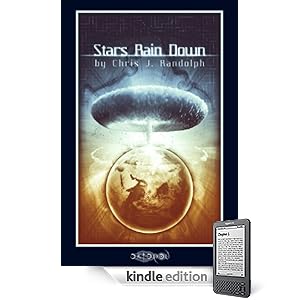
Chris J. Randolph
Jun - 15
Jul - 20
Aug - 10
Sep - 41
Oct - 42
Nov - 49
Dec - 20
Jan - 27
Feb - 23

Total Sold: 247
Number of Books: 2
Genre: Sci-Fi, Fantasy

*****


Consuelo Saah Baehr
Aug - 0
Sept - 10
Oct - 20
Nov - 25
Dec - 33
Jan - 60
Feb - 112

Total Sold: 260
Number of Books: 6
Genre: Historical; Women's Fiction/Suspense; Memoir (non-fiction); Short Stories

*****


Scott Cleveland
Jan - 0
Feb - 1
Mar - 0
Apr - 0
May - 1
Jun - 13
Jul - 10
Aug - 26
Sept -17
Oct - 34
Nov - 31
Dec - 42
Jan - 43
Feb - 46

Total Sold: 264
Number of Books: 1
Genre: Sci-Fi

*****


V.J. Chambers
May - 3
Jun - 19
Jul - 21
Aug - 5
Sept - 4
Oct - 2
Nov - 6
Dec - 3
Jan - 6
Feb - 3
Mar - 1
Apr - 0
May - 9
Jun - 7
Jul - 6
Aug - 9
Sept - 3
Oct - 31
Nov - 27
Dec - 70
Jan - 71
Feb - 106

Total Sold: 341
Number of Books: 8 (but were obviously not all out the entire time. Last two released in February)
Genre: YA Supernatural Romance, YA Horror, Urban Fantasy, Horror (adult)

*****


Judi Coltman
Aug - 8
Sept - 4
Oct - 30
Nov - 16
Dec - 17
Jan - 163
Feb - 179

Total sold: 497
Number of books: 1
Genre: Humor

*****


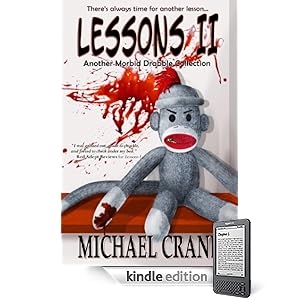
Michael Crane
Jul - 5
Aug - 12
Sept - 12
Oct - 40
Nov - 38
Dec - 107
Jan - 188
Feb - 222

Total Sold: 627
Number of Books: 4
Genre: Horror/Dark Humor, Short Stories

*****


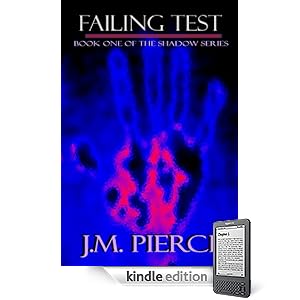
J.M. Pierce
Apr - 5
May - 11
Jun - 11
Jul - 16
Aug -18
Sept - 19
Oct - 127
Nov - 75
Dec - 152
Jan - 123
Feb - 81

Total Sold: 638
Number of Books: 2
Genre: Young Adult Contemporary Fantasy

*****


J.M. Zambrano
Jul - 9
Aug - 3
Sep - 1
Oct - 32
Nov - 373
Dec - 40
Jan - 40
Feb - 81

Total Sold: 659
Number of Books: 2
Genre: Suspense/Thriller, Mystery/Suspense

*****


Joel Arnold
May - 44
Jun - 62
Jul - 100
Aug - 104
Sept - 99
Oct - 71
Nov - 79
Dec - 73
Jan - 107
Feb - 98

Total Sold:  837
Number of Books: 8
Genre: Horror, Short Story Collections, YA, Mystery

*****


Jamie DeBree
Aug - 7
Sept - 9
Oct - 7
Nov - 28  (Lowered to .99 cents)
Dec - 42  (Joined Independent Author Network for marketing)
Jan - 255  (Released 2nd book)
Feb - 391

Total Sold: 847
Number of Books: 3 (one Mar. release)
Genre: 2 Romantic Suspense, 1 Erotic Romance

*****


Daniel Pyle
Aug - 37
Sept - 28
Oct - 59
Nov - 109
Dec - 176
Jan - 260
Feb - 283

Total sold: 1,042
Number of books: 2
Genre: Horror

*****


Suzanne Tyrpak
Aug - 27  (Dating My Vibrator at $2.99)
Sept - 27
Oct - 27
Nov - 158  (lowered price of Dating My Vibrator to .99cents)
Dec - 352  (added Vestal Virgin at .99 cents mid-month)
Jan - 415  (raised price of Vestal Virgin to $2.99 Jan 2, Kept Dating My Vibrator at .99cents)
Feb - 456

Total Sold:  1,462
Number of Books: 2
Genre: Humor, Historical Romance

*****


Anne Marie Novark
Aug - 9
Sept - 4
Oct - 24
Nov - 9
Dec - 131
Jan - 643
Feb - 826

Total sold: 1,646
Number of books: 7
Genre: Regency Romance, Contemporary Western, Contemporary

*****


Katie Salidas
Mar - 37  (Original Price 4.99)
Apr - 378
May - 401
Jun - 175
Jul - 119 - (Price Drop 3.99)
Aug - 109
Sept - 49 - (Price Drop 2.99)
Oct - 51
Nov - 38
Dec - 81 - (Price Drop to 0.99, Released sequel to the series)
Jan - 195
Feb - 124

Total Sold:  1,757
Number of Books: Author has 5, these numbers are for 1 book.
Genre: Urban Fantasy

*****


Sandy Night
Aug - 2
Sept - 8
Oct - 16
Nov - 44
Dec - 97
Jan - 348
Feb - 1,483

Total Sold:  1,998
Number of Books: 1
Genre: Romantic Suspense

*****


William Esmont
May - 1
Jun - 11
Jul - 6
Aug - 11
Sep - 10
Oct - 29  (Released 2nd book at end of the month)
Nov - 40
Dec  - 99
Jan - 538
Feb - 768

Total Sold: 2,025
Number of Books: 2
Genre: 1 Espionage Thriller, 1 General Thriller

*****


Diana Estill
Aug - 8
Sept - 22
Oct - 105
Nov - 94
Dec - 469  (released third book)
Jan - 942
Feb - 612  (price increase on one book)

Total Sold:  2,252
Number of Books: 3
Genre: Humor

*****


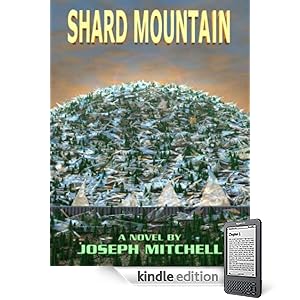
Joseph Mitchell
Jun - 5
Jul - 63
Aug - 70
Sept - 113
Oct - 148
Nov - 210
Dec - 722
Jan - 877
Feb - 445

Total Sold:  2,653
Number of Books: 1
Genre: Post-Apocalyptic Fantasy

*****


Martin Sharlow
Dec - 6
Jan - 8
Feb - 16
Mar - 5
Apr - 7
May - 35
Jun - 56
Jul - 31
Aug - 52
Sep - 68
Oct - 61
Nov - 91
Dec - 151
Jan - 389
Feb - 2,317

Total Sold: 3,293
Number of Books: 5
Genre: Paranormal Romance, Y.A. Fantasy

*****


John Pearson
Jan - 74
Feb - 48
Mar - 110
Apr - 276
May - 136
Jun - 285
Jul - 345
Aug - 287
Sept - 166
Oct - 248
Nov - 72
Dec - 372
Jan - 1,144
Feb - 579

Total Sold: 4,928  (that's since Jul 09)
Number of Books: 1
Genre: Humor

*****


William Meikle
Apr - 100
May - 300
Jun - 500
Jul - 450
Aug - 1,547 
Sept - 2,255

Total Sold: 5,152
Number of Books 8
Genre: Sci-Fi, Fantasy, Horror
About 1/2 of the sales were from the Sci-Fi title THE INVASION

*****


Jan Hurst-Nicholson
Jun - 1
Jul - 0
Aug - 0
Sept - 11 (this is when Amazon UK came on line - I think)
Oct - 18
Nov - 34
Dec - 181
Jan - 2,355
Feb - 2,876

Total Sold: 5,476
Number of Books: 5
Genre: Humor

*****


Joseph Nassise
Jan - 7
Feb - 5
Mar - 100
Apr - 106
May - 164
Jun - 161
Jul - 274
Aug - 410
Sept - 431
Oct - 404
Nov - 444
Dec - 844
Jan - 1,633
Feb - 2,121

Total Sold: 7,104
Number of Books: 4 
Genre: Urban fantasy, horror
Each significant jump in sales for me was a result of either a change to the cover or to the description.  I've done very little promotion, aside from an occasional mention on my blog.

*****


L.C. Evans
Feb - 77  (2 Books priced at $1.99)
Mar - 265
Apr - 415
May - 294
Jun - 169  (Raised price to $2.99)
Jul - 143
Aug - 51
Sept - 108  (Released a third book, Jobless Recovery)
Oct - 90
Nov - 82
Dec - 252
Jan - 1,852  (Released fourth book, The Witness Wore Blood Bay and lowered prices to $.99. Got new cover for WITD.)
Feb - 3,702

Total Sold: 7,500
Number of Books: 4
Genre: Mystery, Chick Lit, Non-Fiction

*****


Valmore Daniels
Jul - 13
Aug - 93
Sep - 194
Oct - 1,583
Nov - 1,642
Dec - 1,118
Jan - 1,768  (Released 2nd Book)
Feb - 1,330

Total: 7,641
Number of Books: 2
Genre: Science Fiction / Fantasy

*****


Sibel Hodge
Mar - 44
Apr - 60
May - 158
Jun - 197
Jul - 273
Aug - 312
Sept - 359
Oct - 444
Nov - 472
Dec - 1,152
Jan - 2,073  (released My Perfect Wedding)
Feb - 4,012

Total Sold: 9,556
Number of Books: Mostly 2 books (3rd one released last month)
Genre: Romantic Comedy/Chicklit Mystery

*****


Abigail Lawrence
Apr - 13
May - 46
Jun - 50
Jul - 69
Aug - 104
Sept - 96
Oct - 157
Nov - 281
Dec - 1,802
Jan - 3,500
Feb  3,226

Total Sold: 9,772
Number of Books: 1
Genre: YA Coming of Age

*****


Ellen O-Connell
Feb - 182
Mar - 309
Apr - 300
May - 492
Jun - 864
Jul - 678
Aug - 600
Sept - 673
Oct - 571
Nov - 708
Jan - 2,580
Feb - 1,930

Total Sold: 9,887
Number of Books: 3 
Genre: Romance, Mystery
*****


David McAfee
Mar - 11
Apr - 97
May - 146
Jun - 256
Jul - 350
Aug - 957
Sept - 1,075
Oct - 1,246
Nov - 1,225
Dec - 1,668
Jan - 2,857
Feb - 2,098

Total Sold: 11,986
Number of Books: 5
Genre: Horror

*****


Monique Martin
Feb - 20
Mar - 18
Apr - 25
May - 16
Jun - 12
Jul - 26
Aug - 80
Sept - 411
Oct - 306
Nov - 321
Dec - 1,167
Jan - 4,461
Feb - 5,899

Total sold: 12,780
Number of books: 1
Genre: Paranormal Romance

*****


Rachel Yu
Sept - 134
Oct - 1,081
Nov - 1,690
Dec - 2,507
Jan - 7,146
Feb - 3,626

Total Sold: 16,184
Number of Books: 5
Genre: Picture Books for Children

*****


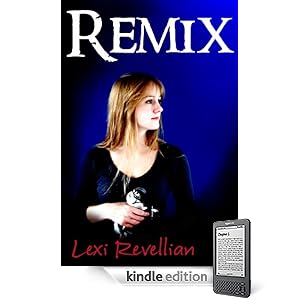
Lexi Revellian
Aug - 9
Sept - 81
Oct - 664
Nov - 1,559
Dec - 4,281
Jan - 5,940
Feb - 3,692
Mar - 735

Total Sold: 16,952
Number of Books: 1
Genre: Romantic Suspense

In February, Remix was no longer featured on Amazon UK's ebooks under £2 page, which was brilliant exposure - I think this is why sales dropped.

*****


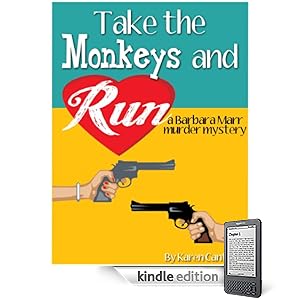
Karen Cantwell
Jun - 45
Jul - 151
Aug - 1,083
Sept - 1,909
Oct - 1,628 (released Marr-nia short story collection)
Nov - 1,505
Dec - 3,685
Jan - 7,213
Feb - 8,429

Total Sold: 25,648
Number of Books: 2
Genre: Mystery, Short Stories

*****


David Dalglish
Feb - 76
Mar - 103
Apr - 341
May - 332
Jun - 475
Jul - 727
Aug - 840
Sept - 843
Oct - 2,146
Nov - 2,366
Dec - 4,635
Jan - 7,514
Feb - 7,682

Total sold: 28,000
Number of books: now up to 8 (plus an Omni).
Genre: all fantasy but for one short-story anthology.

*****


Beth Orsoff
Jun - 4 (1 book, 1 week)
Jul - 118 (released 2nd book in week 3)
Aug - 571
Sept - 767
Oct - 644
Nov - 1,157 (released 3rd book in week 1, put all three books up on B&N Thanksgiving weekend)
Dec - 3,836
Jan - 13,194
Feb - 12,169

Total Sold: 32,460
Number of Books: 3
Genre: Chick Lit, Romantic Comedy

*****


Michael J. Sullivan
(These numbers are approx.)
Apr - 1,000
May - 1,000
Jun - 1,000
Jul - 1,000
Aug - 1,000
Sept - 1,000
Oct - 2,600 (5th book released)
Nov - 7,600
Dec - 10,500
Jan - 11,500
Feb - 10,500

Total Sold: 48,700
Number of Books: 5
Genre: Fantasy

*****


Victorine Lieske
Apr - 7
May - 151
Jun - 456
Jul - 176
Aug - 106
Sept - 389
Oct - 1,401
Nov - 2,670
Dec - 11,162
Jan - 21,484
Feb - 28, 745

Total Sold: 66,766
Number of Books: 1
Genre: Romantic Suspense


*****


Tina Folsom
Jun - 410
Jul - 1,223 (released my 2nd Vampire novel on July 2 & redesigned covers of older books)
Aug - 3,215 (signed up with Smashwords)
Sep - 1,901
Oct - 14,779 (signed up with Pubit!, also: Amazon had my short story Steal Me as a 4-day freebie - sold 9,500 copies, these are included in this figure, because Amazon paid me royalties on this)
Nov - 3,663
Dec - 23,597 (released my 3rd Vampire novel on Dec 2)
Jan - 26,852
Feb - 22,406

Total: 88,046
Genre; Romance/Paranormal/Erotic
Titles: 12 (incl. short stories)

*****

Popular Posts